Knocked-Out Tooth? An Emergency Dentist Explains the Next Steps
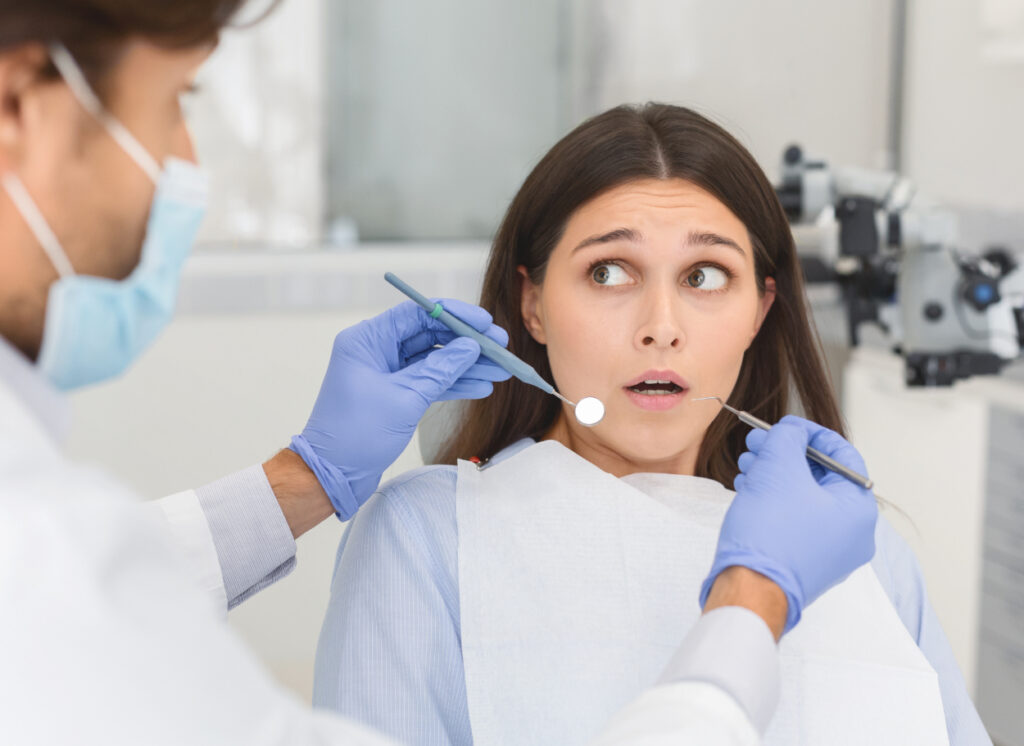
A knocked-out tooth has a way of turning an ordinary day into a very long one. It happens in seconds, a collision on a basketball court, a fall off a bike, an elbow in a crowded pool, a bite into the steering wheel during a minor car accident. One moment you are startled, the next you are holding a tooth in your hand and trying to decide whether to call a dentist, go to urgent care, or panic.
This is one of the few true dental emergencies where the clock matters in a very real way. A permanent tooth that is completely knocked out, what dentists call an avulsed tooth, has its best chance of survival when it is replanted quickly. That does not mean every case can be saved, and it does not mean all knocked-out teeth should be pushed back in on the spot. It does mean the decisions made in the first 15 to 60 minutes can have a lasting effect on whether that tooth can be preserved.
People often remember one thing in the middle of the chaos, “Put the tooth in milk.” That advice is not wrong, but it is incomplete. The details matter, especially whether the lost tooth is a baby tooth or a permanent tooth, how the tooth is handled, how long it stays dry, and whether there are other injuries that need immediate medical attention.
The first question, is it a baby tooth or a permanent tooth?
This is the fork in the road that changes everything. If the knocked-out tooth is a baby tooth, do not try to put it back in. Reimplanting a baby tooth can damage the developing adult tooth underneath. Children typically begin losing baby front teeth around age 6, but ages vary, and in the stress of the moment parents are not always sure what they are looking at.
A permanent tooth, on the other hand, should be treated as time-sensitive. Most often this involves a front tooth, especially in children, teenagers, and active adults. A permanent tooth usually has a longer root and, if it was healthy before the injury, may be saved if managed properly and seen by an Emergency Dentist as quickly as possible.
If there is any doubt about whether the tooth is primary or permanent, call a dental office right away and describe the child’s age and the tooth involved. In many offices, the team can guide you before you even arrive.
What to do in the first few minutes
When people are frightened, they tend to scrub, rinse, wrap, or pocket the tooth, all of which can reduce the odds of a good outcome. The outer root surface carries delicate periodontal ligament cells. These cells help the tooth reattach in the socket. Rough handling or drying can damage them.
Use this short sequence and move quickly:
- Find the tooth and pick it up by the crown, which is the chewing or visible part, not the root.
- If it is dirty, rinse it gently for a few seconds with milk or saline, or briefly with clean water if nothing else is available. Do not scrub it or use soap.
- If it is a permanent tooth and the person is awake, cooperative, and able to swallow normally, try to place it back into the socket right away.
- If you cannot reinsert it, keep it moist in cold milk, saline, or inside the person’s cheek if they are old enough to do that safely without swallowing it.
- Call an Emergency Dentist immediately and head in without delay.
That small list covers the essentials, but there are judgment calls around each step.
If the person is bleeding heavily, seems dazed, has facial fractures, vomits, loses consciousness, or may have a head or neck injury, medical care comes first. Dental injuries often happen alongside lip lacerations, jaw trauma, or concussion. In those situations, the tooth still matters, but not more than the airway, the brain, or the cervical spine.
Why speed matters so much
A knocked-out permanent tooth can sometimes be replanted successfully after an hour, and occasionally after longer, but the prognosis gets worse the longer the root stays dry. In practical terms, the best outcomes are often seen when reimplantation happens within about 30 minutes. Up to 60 minutes, there may still be a meaningful chance. Beyond that, the tooth may still be replanted in https://medium.com/@simpledentalsouthgate/about some cases, especially for cosmetic or temporary reasons, but the long-term survival rate generally falls.
I have seen both ends of this. One teenage soccer player arrived with a front tooth in a cup of milk about 20 minutes after impact. The tooth was clean, the socket was intact, and the replantation was straightforward. I have also seen a tooth arrive hours later wrapped in a tissue inside a backpack pocket. That tooth could sometimes still be placed, but the conversation was different. We shifted from “best chance to save it” to “we may be trying to preserve bone and appearance while planning for what comes next.”
This is why calling an Emergency Dentist right away matters. The sooner the office knows what happened, the sooner they can prepare for imaging, anesthesia, splinting, and follow-up.
If you are going to reinsert the tooth yourself
This is the part people hesitate over, and understandably. It feels drastic. Still, in the right setting, immediate reimplantation can be the best option for a permanent tooth.
The key is gentleness. Hold the tooth by the crown. Make sure it is facing the correct way. If there is obvious debris, do a quick gentle rinse, no scrubbing, no brushing, no disinfectants. Then guide it into the socket with light finger pressure. It should not require force. Once seated, have the person bite gently on clean gauze or a handkerchief to help keep it in place while heading to the dentist.
If the tooth does not slide in easily, stop. Do not force it. A clot, a fragment of bone, or a twisted orientation may be in the way. In that case, preserve the tooth in milk or saline and let the dentist handle the replantation.
You should also skip self-reimplantation if the patient is very young, highly distressed, unable to follow directions, or at risk of aspirating or swallowing the tooth.
What to avoid, even if you mean well
People are often told not to let the tooth dry out, but there are a few less obvious mistakes that are just as common.
Do not scrub the root with a toothbrush, tissue, or shirt. Do not soak it in alcohol, hydrogen peroxide, or mouthwash. Do not wrap it in dry gauze. Do not store it in plain tap water any longer than necessary. Water is better than a dry napkin for a minute or two, but it is not a good storage medium because it can harm the root surface cells.
Milk is widely recommended because it is usually nearby, relatively gentle on cells, and easy to use. Saline is also a good option. Special tooth preservation solutions exist, but very few families have them in a kitchen drawer or sports bag when the accident happens.
What an Emergency Dentist will do when you arrive
The first few minutes in the clinic are focused and efficient. We are looking at more than the missing tooth. We check whether the tooth is intact, whether fragments remain in the socket or lip, whether neighboring teeth are cracked or displaced, and whether the bite has changed. A person who says, “It is just one tooth,” may actually have two loosened teeth, a fractured socket wall, and a cut lip with enamel fragments embedded inside.
X-rays help answer those questions. If the tooth has not yet been reinserted, the socket is examined and gently cleaned if needed. Then the tooth is replanted, usually under local anesthesia. In most cases, the tooth is stabilized with a flexible splint attached to neighboring teeth for a short period, often around two weeks, though the timing can vary depending on associated injuries.
If the root is fully formed, which is common in older children and adults, root canal treatment is often needed after reimplantation because the tooth’s nerve supply has been disrupted. In younger patients with immature roots, there may be a possibility of revascularization, so the follow-up plan can differ. This is one reason the patient’s age matters so much in trauma cases.
The conversation in the operatory is rarely as simple as “we put it back, now it is fixed.” A replanted tooth needs monitoring. Even when everything is done correctly, trauma can lead to complications such as root resorption, ankylosis, infection, or pulp necrosis months or years later. The goal at the start is to give the tooth its best chance, then watch it closely.
The hidden injuries people miss
A knocked-out tooth tends to draw all the attention, but not all trauma announces itself clearly. A lip that looks only bruised can contain tiny tooth fragments. Teeth next to the avulsed one may be intruded, meaning driven upward into the bone, or luxated, meaning loosened or displaced without fully leaving the socket. The bone around the teeth may be cracked. In children, a blow to the mouth can also affect the developing permanent teeth still inside the jaw.
I remember a young patient who came in carrying a central incisor in a paper towel. The family had done their best under pressure, and they got there quickly. On exam, the missing tooth was only part of the story. The adjacent front tooth had a horizontal crown fracture, and the lower lip contained a small fragment that only showed up clearly on imaging. If we had focused only on replanting the avulsed tooth and skipped the full trauma workup, we would have missed part of the injury.
That is another reason to seek an Emergency Dentist rather than waiting for a routine appointment. Trauma management is not just about speed, it is about recognizing what else may have happened.
Pain, bleeding, and swelling at home
A knocked-out tooth usually bleeds, though not always dramatically. Bite pressure on folded gauze for 10 to 15 minutes often helps. Ice on the outside of the face can reduce swelling and ease discomfort. Over-the-counter pain relievers may be appropriate for many people, but the safest choice depends on the person’s age, medical history, and whether there are other injuries. Children, in particular, require age-appropriate dosing, and aspirin is generally avoided in kids.
Soft foods are a good idea after treatment. Think yogurt, eggs, pasta, mashed potatoes, soup that is warm rather than hot. Patients should avoid biting directly into apples, sandwiches, crusty bread, or pizza with the front teeth while the area heals. Good oral hygiene still matters, but brushing around a splint requires care.
Tetanus status sometimes comes up after trauma, especially if there was soil contamination or a fall outdoors. A dentist may advise a medical check if immunization status is unclear.
When the tooth cannot be saved
Not every knocked-out tooth can be replanted successfully, and not every replanted tooth survives long term. That can be hard to hear, especially when it is a visible front tooth, but there are still good options.
If the tooth is lost permanently, treatment depends on age, bone development, the condition of adjacent teeth, and cosmetic priorities. For adults, options may include a dental implant, a fixed bridge, or sometimes a removable temporary replacement while healing takes place. For growing children and teens, implants are often delayed until jaw growth is complete, so temporary or intermediate solutions are used first.
This is where professional judgment matters more than internet advice. A 14-year-old athlete, a 28-year-old professional on camera every day, and a 62-year-old with gum recession and a history of grinding all have different needs, timelines, and risks. There is no single “best” replacement for every patient.
Special considerations for children and teens
Parents often ask the same question in the first phone call, “Will the tooth grow back?” If it is a permanent tooth, no, it will not grow back. That is why urgent care matters so much. With baby teeth, the concern shifts from saving the lost tooth to protecting the underlying permanent tooth and checking for injury to surrounding tissues.
Teenagers often suffer sports injuries, scooter falls, and accidental collisions. Mouthguards dramatically reduce dental trauma in contact sports, yet many young athletes still wear none at all or use poorly fitted stock guards that end up in the bottom of a gym bag. Custom guards are not glamorous, but they are cheaper and less stressful than trauma care on a Saturday afternoon.
Orthodontic treatment can complicate trauma management as well. Braces may help stabilize a tooth in some situations, but they can also make splinting and cleaning more complicated. Again, this is where a dentist experienced in emergencies earns their keep.
A few scenarios that change the advice
Dental trauma is rarely neat, so it helps to know where the standard advice bends.
If the tooth is chipped or loosened rather than completely out, the urgency remains high, but the handling is different. Do not tug on a loose tooth to “see if it will come out.” See a dentist the same day if possible. A displaced tooth may still be repositioned and splinted.
If more than one tooth is involved, prioritize airway safety and bleeding control, then preserve any teeth that are fully out. If the person cannot close their mouth properly, has numbness in the lip or chin, or the jaw looks crooked, a fracture is possible.
If the tooth has been out for several hours, still call. Even late presentation deserves evaluation. There may be reasons to replant temporarily, preserve bone, control infection risk, or plan the next stage intelligently rather than reactively.
If the patient has significant medical issues, such as a bleeding disorder or immunosuppression, that may alter how treatment and medications are handled. Share that information early.
The follow-up matters almost as much as the first visit
People understandably focus on the dramatic moment of getting the tooth back in place. What happens over the next weeks and months often determines the final outcome.
Replanted teeth need repeat evaluations. The dentist checks healing, splint stability, signs of infection, tenderness, mobility, and changes on X-rays. Root canal treatment may be scheduled shortly after reimplantation in many mature teeth. If the pulp dies or inflammatory resorption develops, timing becomes important. Waiting too long can cost the tooth even after a good initial rescue.
Patients sometimes feel fine after the first visit and assume all is well. Then they miss follow-ups because the tooth “looks normal.” That can be a costly mistake. Dental trauma has a delayed side. A tooth can appear calm while changes are developing under the surface.
How to be prepared before anything happens
Most people do not think about dental trauma until they are living it, but a little preparation helps. Keep your dentist’s emergency number saved in your phone. If your child plays contact sports, ask about a custom mouthguard before the season starts. If you coach, teach athletes not to handle a knocked-out tooth by the root and not to wrap it in a dry tissue. Those small bits of knowledge travel far on sidelines and playgrounds.
I have had patients arrive having done nearly everything right because a teacher, trainer, parent, or teammate knew the basics. I have also seen avoidable damage from well-meant home remedies. Trauma care rewards calm, simple action. Find the tooth, protect the root, keep it moist, get to an Emergency Dentist fast.
When a permanent tooth is knocked out, there is no perfect script and no guarantee. But there is a narrow window where good decisions can make a very big difference. That is why this injury deserves urgency, not watchful waiting. A few careful minutes at the start may save years of treatment later.
Simple Dental Vermont
Address: 8914 S Vermont Ave, Los Angeles, CA 90044
Phone number: +13239493000
FAQ About Emergency Dentist Los Angeles CA
What can the ER do for a tooth?
The emergency room can provide temporary symptom relief for a bad tooth, such as prescribing pain medicine or antibiotics, but it cannot fix the actual dental problem.
What is the 3-3-3 rule for tooth infection?
The 3-3-3 rule for a toothache or infection typically means taking three 200 mg ibuprofen tablets (600 mg total) three times a day for no more than three days to control pain and swelling while waiting to see a dentist.
What do you do if you have a dental emergency but no dentist?
If you have a dental emergency and no regular dentist, you should search for an urgent care dental clinic, call local walk-in dental offices, or go to a hospital emergency room if you have severe bleeding, swelling, or trouble breathing.