How Often Should You Wear Invisalign Aligners?
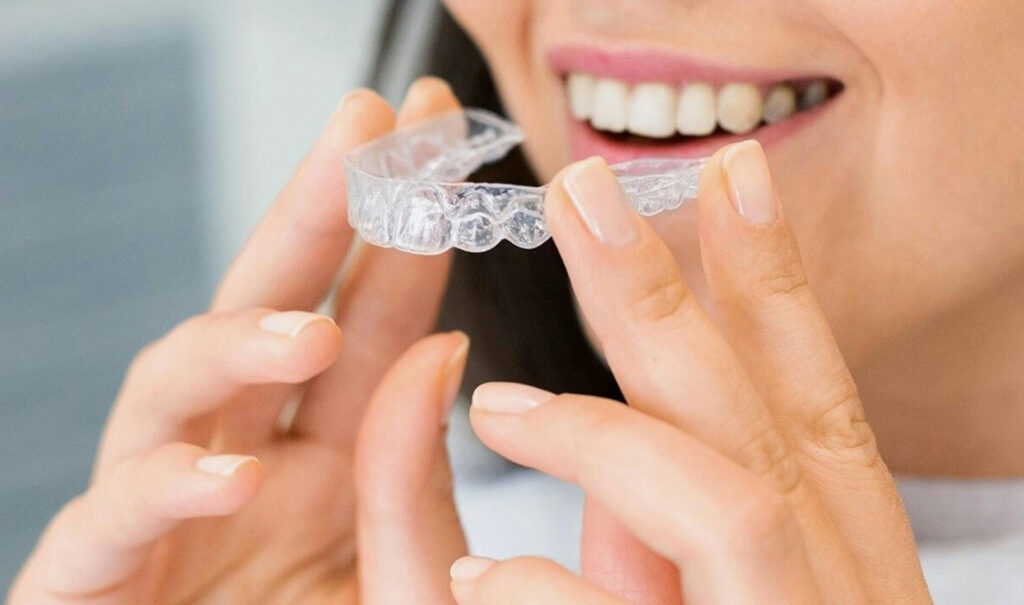
The short answer is simple: Invisalign aligners should usually be worn 20 to 22 hours a day. In practice, that means they stay in for almost everything except meals, hot drinks, and brushing or flossing. Most orthodontists consider 22 hours the gold standard because it gives the teeth enough steady pressure to move predictably.
That sounds straightforward until real life gets involved. People travel, snack, sip coffee through the morning, forget a case at home, fall asleep after dinner without putting trays back in, or decide an evening out is worth a few extra hours without aligners. A missed hour here and there does not automatically ruin treatment, but patterns matter. Invisalign works best when it is boringly consistent.
I have seen the biggest difference not between people with “easy” teeth and “hard” teeth, but between people who build the trays into their routine and people who treat wear time as flexible. The aligners are engineered to apply controlled force over time. Time is the key variable. If the trays are not on the teeth long enough, they cannot do their job on schedule, and the schedule begins to slip.
Why wear time matters so much
Traditional braces are fixed to the teeth. They keep working whether someone is eating lunch, talking through a meeting, or watching television late at night. Invisalign is removable, which is exactly why many adults and teens prefer it. The trade-off is responsibility. You gain convenience and appearance benefits, but you also take on the discipline that braces would otherwise enforce for you.
Teeth do not move because they receive occasional pressure. They move because they receive gentle, sustained pressure in a planned sequence. Every aligner is shaped to encourage certain movements, sometimes tiny rotations, sometimes space closure, sometimes a small correction in angulation. When trays are worn as directed, the biology and the appliance stay in sync. When they are out too often, that coordination breaks down.
This is why orthodontists ask about hours per day, not just whether you “mostly wear them.” A person who wears aligners 14 or 16 hours a day may still feel like they are compliant because the trays are in every night and for part of the workday. But biologically, that is often not enough. Teeth may begin to lag behind the programmed movement of the tray. The next aligner then fits more tightly than it should, or not fully at all.
That gap between plan and reality is where trouble starts.
The target: 20 to 22 hours daily
If you hear different numbers from different people, the safe takeaway is this: aim for 22 hours a day, stay above 20 whenever possible, and do not casually treat 20 as an excuse to stretch tray-free time.
For most patients, 22 hours means removing aligners three or four times a day for short periods. Breakfast might take 20 to 30 minutes. Lunch may take another 30. Dinner may run longer. Add brushing and flossing, and the total can still stay in the recommended range if you are mindful. Problems usually appear not during meals themselves, but in the drifting time around them. Someone takes trays out for lunch, chats with coworkers, drinks a second coffee, then realizes two hours have passed. Repeat that twice in a day and wear time drops fast.
There is also a difference between a one-off and a habit. An occasional long dinner is rarely catastrophic. A daily routine of prolonged tray-free periods often is.
What happens if you wear them less than recommended
The first sign is often fit. The aligners may feel unusually tight when you switch to a new set, or they may not seat completely over one or two teeth. Some patients notice a slight lift at the back molars or a gap along the edge of a front tooth. That is not always an emergency, but it is a clue that tooth movement is lagging.
If reduced wear time continues, several things can happen. Treatment may take longer than originally estimated. Refinements may become more likely. Attachments may not express movement as efficiently as planned. In some cases, certain teeth track well while others fall behind, creating an uneven result that requires course correction.
There is also the issue of comfort. Ironically, people who wear trays less often sometimes report more soreness. That is because each reinsertion feels like the teeth are being asked to restart a job they were not allowed to continue. Consistent wear tends to produce more manageable pressure. Inconsistent wear creates a stop-and-start pattern, and that can feel rougher.
Relapse on a micro level can happen quickly, too. Teeth are not fixed in concrete. They can rebound slightly even over several tray-free hours, especially in the earlier or more active phases of treatment. That is why aligners removed all afternoon can feel tight again by evening.
Why 22 hours is harder than it sounds
A lot of patients begin treatment confident they can manage the schedule. Then the little frictions show up. Coffee habits are a major one. If you like to sip a hot drink over an hour or two each morning, Invisalign asks you to either condense that routine or accept extra tray-free time. Frequent snacking creates a similar problem. Every removal should ideally be followed by rinsing, and often brushing, before the trays go back in. People who graze throughout the day sometimes find themselves choosing between oral hygiene, convenience, and compliance.
Social settings can also complicate things. Some people do not mind popping aligners out at a restaurant table. Others feel self-conscious and delay putting them back in until they get home, which may be hours later. Travel introduces its own challenges, especially when meals are irregular, bathrooms are inconvenient, or time zones disrupt routines.
Teenagers often face a different issue. It is not always resistance. Sometimes it is simple distraction. Aligners wrapped in a napkin disappear into cafeteria trash. Trays come out for sports, music practice, or a photo, then stay out longer than intended. Adults tend to struggle more with coffee, meetings, and social meals. Teens often struggle more with forgetfulness and logistics.
The daily routine that usually works best
The people who do well with Invisalign tend to simplify decision-making. They do not negotiate with themselves all day about when to remove trays. They make eating windows more intentional, keep a case with them, and put the aligners back in as soon as a meal is finished.
A practical rhythm often https://louisjwlh751.cloudhinter.com/posts/invisalign-checkups-how-often-will-you-visit-the-dentist looks like this:
- Remove aligners only for meals, snacks, and oral hygiene.
- Keep tray-free time short, ideally 15 to 30 minutes for most eating occasions.
- Rinse or brush before reinserting to reduce trapped food debris and plaque.
- Put aligners back in immediately after eating, not “in a little while.”
- Track daily hours if you tend to underestimate time without them.
That last point matters more than many patients expect. People are often poor judges of cumulative off-time. Three 45-minute eating breaks, two coffees, and a long social dinner can quietly turn into six or seven hours without trays. An app timer or even a simple phone alarm can prevent that.
Meals, snacks, and drinks: where compliance is won or lost
Most Invisalign success stories are really scheduling stories. If someone asks why one patient finishes close to the original estimate while another needs months of extra treatment, the answer is often hidden in how they eat and drink.
Water is easy. Plain cool or room-temperature water is generally fine with aligners in. Hot beverages are different because heat can warp the plastic, and sugary or acidic drinks can sit under the trays against the teeth. Coffee, tea, soda, juice, sports drinks, wine, and sweetened sparkling beverages are better consumed with aligners out. Some patients make occasional compromises, especially with iced unsweetened drinks, but from a professional standpoint, the cleanest advice is simple: if it is not plain water, take the aligners out.
Snacking is where many people unintentionally sabotage wear time. Invisalign works best with defined eating windows. If you are used to nibbling all afternoon, treatment may push you toward fewer, more deliberate meals. That is not just about orthodontics. It is also about reducing how often sugars and acids contact the teeth.
There is a hygiene piece here, too. Food trapped under trays is not just unpleasant. It can increase the risk of plaque buildup, bad breath, and enamel problems. The aligners create a close-fitting environment. If you place them back over unclean teeth after a sugary snack, you are essentially sealing residue in place.
What if you miss a few hours?
This is common, and the right response depends on how often it happens and how the tray fits afterward.
If you accidentally leave Invisalign out for a couple of extra hours once, the best move is usually to put them back in as soon as possible and wear them diligently for the rest of the day. The aligners may feel tighter than usual. That alone does not mean treatment is derailed.
If you have had the trays out for most of a day, or overnight, then it becomes more important to assess fit. If the current aligner still seats fully and feels manageable, many orthodontists will advise wearing it longer before moving on to the next set. If it no longer fits properly, forcing progression can create bigger problems. In that case, you may need to return to the previous tray if instructed, or contact your provider for guidance.
Patients sometimes try to “make up” for missed wear by switching to the next aligner anyway, assuming tighter means more effective. That is a mistake. A tray that does not fit well cannot deliver precise movement. It may just create soreness and poor tracking.
Switching trays does not excuse lower wear time
One of the more persistent misunderstandings is that a weekly or 10-day change schedule somehow gives room for looser daily compliance. It does not. The change interval and the daily wear time work together. If your plan says change trays every seven days, that assumption typically rests on near-full-time wear. If you average far less than recommended, the calendar says one thing while your teeth say another.
This is why some providers extend wear to 10 days or two weeks for certain patients, movements, or situations. It is not necessarily a sign something is wrong. Sometimes it is a cautious, smart adjustment. Biology varies. Tracking varies. But even on a slower change schedule, the daily target still matters.
A patient who wears each tray for two full weeks but only 16 hours a day may still struggle. Time in treatment is not interchangeable with time out of treatment. The hours need to be continuous enough for the force system to work as intended.
The difference between “tight” and “not fitting”
A fresh aligner should often feel snug. That is normal. The pressure may be most noticeable during the first day or two of a new set, then fade. Snugness means the tray is engaging the teeth.
Poor fit looks different. You may see visible space between the aligner and the tooth surface, often called a halo. One edge may refuse to seat all the way. You might notice the aligner popping off in one area or rocking slightly when you bite down. Chewies can help seat trays more completely in some cases, but they are not magic. If a tray clearly does not fit after good wear and proper seating effort, the issue may be tracking, not just tightness.
That distinction matters because patients sometimes ignore early warning signs. They assume every fit issue will resolve if they just wait a day or two. Sometimes it does. Sometimes it is the first signal that wear time has not been enough, or that a specific movement needs attention.
Situations that can change the recommendation
Twenty to 22 hours is the standard target, but context matters. Some orthodontic plans involve elastics, attachments, interproximal reduction, or more complex tooth movements. In those cases, strict wear time becomes even more important because the system depends on several parts working together.
There are also life situations that deserve a practical approach. Weddings, long presentations, contact sports, illness, and dental cleanings can disrupt routine. A thoughtful provider usually cares less about a rare, unavoidable exception than about chronic noncompliance. If you know a difficult day is coming, it helps to compensate before and after by being especially consistent.
Patients with jaw soreness, mouth ulcers, or new attachments may be tempted to leave trays out longer during the adjustment period. Short breaks can sometimes help with comfort, but extended time out tends to delay adaptation. Most people adjust faster when they commit to wearing the aligners steadily.
How orthodontists think about compliance in the real world
Most experienced providers know that “perfect” compliance is uncommon. The goal is not moral purity. It is predictable tooth movement. If a patient says they wear trays 22 hours a day but the fit and progress suggest otherwise, the mouth usually tells the truth. Conversely, a patient who worries they are doing badly may actually be fine if the trays seat well and the teeth are tracking.
This is where judgment comes in. Some people can occasionally dip below the target and still stay on track because the missed time is rare and they are otherwise very disciplined. Others need tighter habits because their movements are more demanding or their trays have already shown signs of lag.
Orthodontists also look for patterns. Repeatedly lost trays, frequent requests to move to the next set despite poor fit, and persistent halos suggest a routine problem. A single rough week during travel is a different story.
If you are struggling to hit 22 hours
The answer is usually not more willpower. It is better systems. People succeed when the routine becomes automatic and friction drops. If you constantly feel behind, look at where the hours are going.
Here are the trouble spots worth examining:
- Long coffee or tea habits in the morning
- Frequent snacking throughout the day
- Social meals where trays stay out too long
- Forgetting a case or toothbrush when away from home
- Delaying reinsertion because it feels inconvenient
Each of those can be solved, but not by pretending it is not a problem. Someone who loves a two-hour morning coffee ritual may need to shorten it, switch timing, or accept that treatment will be harder unless the habit changes. Someone who snacks constantly may need more structured meals for a few months. Invisalign is flexible, but not infinitely flexible.
A word about sleep and nighttime-only wear
Some people wonder whether wearing aligners only at night is enough. For active Invisalign treatment, the answer is generally no. Nighttime wear alone usually falls well short of the recommended daily duration. It may work for retainers after treatment in certain cases, depending on your provider’s instructions, but that is a different phase with a different goal.
Active movement requires near-full-time wear. Retention is about holding teeth in place once they are already there. Confusing those two phases leads to preventable setbacks.
The best rule to remember
If you are asking whether a certain amount of wear is “good enough,” the safest benchmark is this: keep Invisalign in unless there is a clear reason to take it out. Eat, drink anything besides water, brush, floss, then put it back in. That mindset works better than trying to calculate whether you have “earned” enough hours.
The patients who finish smoothly are rarely the ones obsessing over every minute. They are the ones whose trays spend most of the day in their mouths because their routine leaves little room for drift. That is what 20 to 22 hours really looks like, not perfection, just consistency with very few gaps.
For most people, the answer to how often you should wear Invisalign aligners is nearly all the time. If you treat them like an occasional tool, progress slows. If you treat them like part of your daily life for a defined stretch of months, they usually reward that discipline with steadier movement, fewer setbacks, and a much better chance of finishing on schedule.
Omni Dental Specialty
Address: 1690 E Gonzales Rd, Oxnard, CA 93036
Phone number: +18053666000
FAQ About Invisalign
How much does Invisalign actually cost?
The out-of-pocket cost for Invisalign typically ranges between $3,000 and $8,000, with most patients paying a national average of roughly $5,100 to $5,700 before insurance.
What is the downside to Invisalign?
The biggest downsides to Invisalign are the intense discipline required to wear the trays 22 hours a day, the inconvenience of removing them to eat or drink, and the inability to fix severe, complex orthodontic issues.
Is $5000 a lot for Invisalign?
No, $5,000 is not considered a lot for Invisalign; it is exactly the national average. Treatment costs typically fall between $3,000 and $8,000, and $5,000 is the standard fee for a moderately complex case that takes 6 to 18 months to complete.