Emergency Dentist vs Regular Dentist: What Is the Difference?
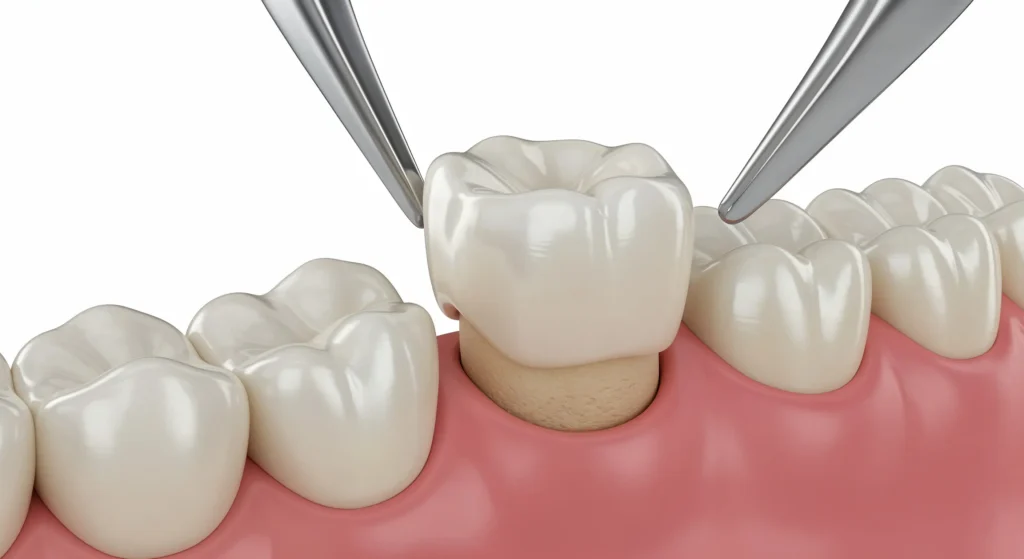

A bad toothache has a way of collapsing your schedule. At 2 p.m., it is an inconvenience. At 2 a.m., with a throbbing jaw, swelling under the eye, and no chance of sleep, it feels like a crisis. That is usually the moment people start asking a practical question they may never have considered before: do I need a regular dentist, or do I need an emergency dentist?
The two are closely related, and in many cases they may even be the same professional working in different circumstances. Still, the difference matters. It affects where you go, how fast you should be seen, what kind of treatment you can expect, and whether the problem can safely wait until normal business hours. Knowing how to tell those situations apart can spare you pain, money, and sometimes a much more serious medical complication.
The simplest way to think about it is this: a regular dentist manages your ongoing oral health, while an emergency dentist focuses on urgent dental problems that need immediate attention. That sounds straightforward, but real life is messier than a definition. Some situations are clearly urgent, like a knocked-out tooth after a fall. Others sit in a gray zone, like a cracked molar that hurts only when you bite. The details matter.
The role of a regular dentist
A regular dentist is the clinician most people should know before they are in trouble. This is the office where you go for checkups, cleanings, x-rays, fillings, crowns, gum evaluations, and long-term treatment planning. A good general dental practice is built around continuity. The dentist knows your dental history, tracks old restorations, notices slow changes in the gums or bite, and can often catch a problem before it becomes urgent.
That continuity is more valuable than many patients realize. A regular dentist can compare current x-rays to previous ones, see whether a cavity has doubled in size over twelve months, or recognize that a tooth with repeated large fillings is finally reaching the point where a crown or root canal makes https://deanrgug110.readspirex.com/posts/emergency-dentist-advice-for-sudden-pain-under-a-crown sense. They are not just fixing isolated issues. They are managing a system over time.
Regular dental care is also where prevention does its quiet work. Small fractures are found before they split a tooth. Gum inflammation is treated before bone loss becomes severe. A chipped front tooth that seems mostly cosmetic may reveal a bite issue that keeps causing the same damage. None of that feels dramatic in the moment, but it is often what prevents emergency visits later.
Most regular dentists also handle many urgent concerns during office hours. If you wake up with a broken filling or sudden pain, your own dentist is usually the best first call. They already know your chart, your medications, your medical conditions, and sometimes even your anxiety triggers. For a patient who faints easily, gags with impressions, or needs extra local anesthetic because numbing takes longer, that familiarity can make treatment faster and safer.
What makes an emergency dentist different
An emergency dentist is defined less by a separate degree and more by access, timing, and readiness for urgent care. These practices are set up to evaluate and treat dental problems that cannot reasonably wait. That may mean same-day appointments, extended evening hours, weekend availability, or an on-call system. The focus is immediate stabilization: relieve pain, control infection, stop bleeding, protect the tooth, and prevent the problem from getting worse.
In practice, an emergency dentist sees a different rhythm of cases than a routine office schedule. A normal Tuesday in general practice might involve hygiene checks, one crown prep, a denture adjustment, and a few fillings. An emergency schedule often looks more unpredictable. One patient arrives with facial swelling from an abscess. Another broke a front tooth before a wedding. A teenager comes in after a basketball collision with a loose permanent tooth. Someone else cannot open fully because a wisdom tooth is inflamed and the surrounding tissue is infected.
Urgent care also changes the treatment mindset. When someone is in acute pain, the first goal is not always to complete the ideal final treatment that day. Sometimes the priority is to diagnose the source, numb the area, drain an infection if appropriate, place a temporary restoration, smooth a sharp fractured edge, re-cement a crown, prescribe medication when clinically justified, or begin root canal therapy so the patient can get through the night. Definitive work may happen later, either at that office or with the patient’s regular dentist.
This is an important point. Emergency dental treatment is often about getting a dangerous or painful situation under control. It is not always the finish line.
Urgent does not always mean dramatic
People often assume a dental emergency must involve blood, trauma, or an obvious broken tooth. Sometimes it does. Just as often, the emergency is invisible from the outside. An infection deep around the root of a tooth can create intense pressure and spread into surrounding tissues long before anyone sees much in the mirror. A patient may tell you, “It just feels like my bite is too high,” and by evening half the side of the face is swollen.
That is why timing matters. Dental infections can progress quickly. Problems in the mouth sit close to the sinuses, the jaw spaces, and the airway. Most dental emergencies do not become life-threatening, but some absolutely can. Swelling that spreads into the cheek, under the jaw, or toward the throat is not something to monitor casually for several days.
By contrast, some dramatic-looking issues are urgent but not catastrophic. A small chip on a front tooth can look terrible and feel emotionally overwhelming, especially before work, travel, or a family event. If the tooth is not painful and the nerve is not exposed, it may not be medically dangerous, but it still deserves prompt care because the sharp edge can cut the lip and the tooth may be structurally vulnerable.
Signs you may need an emergency dentist
The line between “call soon” and “go now” becomes easier to see when you focus on function, pain, infection, and trauma. These are the situations that usually justify an emergency dental visit:
- Severe tooth pain that does not settle, especially if it keeps you from sleeping or eating
- Swelling in the gums, face, or jaw, particularly if it is spreading
- A knocked-out, loose, or displaced adult tooth after an injury
- Bleeding in the mouth that does not stop with gentle pressure
- A broken tooth with significant pain, exposed inner tooth structure, or sharp edges cutting soft tissue
There are also situations where a dental problem becomes a medical urgency. Fever with facial swelling, difficulty swallowing, trouble breathing, or inability to open the mouth normally can signal a spreading infection. At that point, urgent dental care may not be enough by itself, and an emergency room may be the safer place to start.
What usually belongs with a regular dentist
Not every uncomfortable dental issue is an emergency. Many problems are important without being immediate, and they are best handled in a regular office where there is time for complete planning and follow-up. Common examples include:
- Routine exams, cleanings, and preventive care
- Small cavities or old fillings that need replacement
- Mild tooth sensitivity without swelling or severe pain
- Cosmetic issues such as whitening, bonding, or veneer planning
- Long-term treatment like crowns, bridges, aligners, or dentures
Even here, there are exceptions. Mild sensitivity can become a true emergency if it suddenly escalates into severe lingering pain. A chipped tooth that looks cosmetic can expose dentin and start causing sharp sensitivity to air or cold. Dentistry is full of these borderline cases, which is why a quick phone call to a dental office often helps more than self-diagnosis.
How treatment differs in the chair
The patient experience often feels different in an emergency appointment. A regular dental visit is planned. Paperwork is current, insurance is already on file, radiographs are often up to date, and the procedure time is blocked out in advance. There is room for discussion about options, timing, and ideal sequencing.
Emergency appointments are more compressed. The dentist has to answer a few immediate questions fast. What is causing the pain? Is there infection? Is the tooth restorable? Is trauma limited to the tooth, or does it involve the jaw and surrounding bone? Does the patient need local treatment, antibiotics, referral to a specialist, or hospital-level care?
Because of that, emergency visits often begin with targeted x-rays and a focused exam rather than a full routine workup. The discussion is also narrower. Instead of mapping out everything the mouth may need over the next year, the conversation centers on the pressing issue in front of you. If there are three cracked teeth and one infected molar, the infected molar takes priority today.
Patients are sometimes surprised when an emergency dentist places a temporary fix instead of doing the final crown, extraction, or full restoration immediately. That is not lower-quality care. It is often sound clinical judgment. Tissues may be too inflamed to complete ideal treatment comfortably. The office may need time to verify whether the tooth can be saved. A specialist may be more appropriate. Or the goal may simply be to get the patient out of severe pain safely and efficiently.
Availability is part of the difference
One of the biggest practical differences is scheduling. A regular dentist usually operates within standard office hours, though many practices now offer early mornings or one late day a week. An emergency dentist is organized around access. That does not mean every emergency practice is open 24 hours, but it often means same-day triage, walk-in capacity, after-hours phone guidance, or reserved slots for urgent cases.
That accessibility matters most in two situations. The first is trauma. A knocked-out permanent tooth has its best chance of survival if it is repositioned quickly, often within 30 minutes to an hour. The second is infection with swelling. Delays of even a day or two can turn a manageable abscess into a more complicated case requiring stronger medication, extraction, drainage, or hospital evaluation.
Many people do not realize that their own general dentist may have an emergency protocol even if the office is closed. A voicemail message may direct patients to an on-call number. Some group practices rotate urgent coverage among dentists. Others refer after-hours emergencies to a trusted nearby clinic. It is worth learning how your dental office handles emergencies before you need it.
Cost, insurance, and why emergency care can feel more expensive
Emergency dental visits often feel expensive, partly because they are unplanned and partly because urgent scheduling has real costs. Offices reserve time, rearrange staff, and keep diagnostic capacity available for problems that cannot wait. If treatment happens outside normal hours, fees may be higher.
There is also a psychological factor. Preventive care spreads cost across time. A six-month cleaning and a small filling feel manageable. By the time a neglected tooth becomes an emergency, the menu may include an exam, x-rays, sedation if needed, root canal therapy or extraction, and then a crown or replacement later. The emergency itself may only be part of the expense. The delayed maintenance is what made the final bill larger.
Insurance can complicate things further. Some plans cover emergency exams and basic pain-relief treatment reasonably well, but major restorative work may still carry deductibles, annual maximums, or waiting periods. It is wise to ask two separate questions: what is needed today to stabilize the problem, and what further treatment will be required after the emergency phase ends?
Common scenarios that confuse patients
A lost filling is a good example of the gray zone. If the tooth is not painful and the cavity beneath is not deep, this can often wait a short time for a regular dental appointment. If the tooth is sensitive to air, painful when biting, or has a sharp edge cutting the tongue, it becomes more urgent.
A cracked tooth is another frequent source of confusion. Some cracks are superficial craze lines with no real consequence. Others run deep enough to threaten the nerve or split the tooth under chewing pressure. A patient may feel only occasional discomfort at first, especially when releasing a bite on something firm like crusty bread or nuts. That pattern can signal a significant crack even before constant pain begins. Those cases should not be ignored just because the pain comes and goes.
Wisdom tooth pain also varies widely. Mild soreness from eruption may not require same-day care. Swelling around a partially erupted wisdom tooth, foul taste, trouble opening the jaw, or pain radiating into the ear suggests infection around the gum tissue, sometimes called pericoronitis. That can worsen quickly and often deserves urgent evaluation.
Then there is the crown that falls off on a Friday evening. If the tooth under it is not painful and the crown is intact, this may wait until the next business day or the following Monday, especially if you can keep the area clean and avoid chewing on that side. If the exposed tooth is very sensitive, visibly fractured, or the crown came off because the tooth underneath decayed or broke, an emergency dentist may be the better call.
Trauma is where the distinction becomes most obvious
Dental injuries make the difference between regular and emergency care very clear. A child or adult who has taken an elbow to the mouth, fallen from a bike, or caught a hockey stick to the face needs timely evaluation. Teeth can be fractured, pushed sideways, intruded into the gum, loosened, or knocked out entirely. The lip may also have cuts that contain tooth fragments. In those moments, a routine schedule is not enough.
A true Emergency Dentist is prepared to make rapid decisions. Should the tooth be repositioned and splinted? Is the tooth a baby tooth or a permanent one? Is the fracture limited to enamel, or does it expose the pulp? Could there be a jaw fracture? Does the patient need a dental specialist, an oral surgeon, or the emergency department?
One practical detail matters a great deal: a knocked-out permanent tooth should be handled by the crown, not the root. If it is dirty, a brief gentle rinse is better than scrubbing. Ideally, the tooth goes back in the socket immediately if that can be done safely. If not, milk or a tooth preservation solution is usually better than letting it dry out in a tissue. Those small actions can change the outcome.
Why regular dental relationships still matter, even in emergencies
It might sound as though the urgent clinic is where the real action happens and the regular office is just maintenance. In practice, the opposite is often true. The best dental emergencies are the ones that never become emergencies.
A patient who sees a dentist consistently is more likely to have early decay treated before it reaches the nerve, failing fillings replaced before they crack the tooth, and gum disease controlled before teeth become loose. The records are better. The baseline x-rays exist. The office already knows whether that lower right molar has a deep old filling close to the nerve and was likely to flare eventually.
Even when urgent care is needed, follow-up usually belongs with a regular dentist. After an infection settles, the tooth may still need root canal therapy, extraction, crown placement, implant planning, or bite adjustment. Trauma cases often need repeated monitoring over months because a tooth that survives the initial accident can still lose vitality later. Emergency care solves the immediate problem. Long-term dental care protects the result.
The better question to ask
When patients ask whether they need an emergency dentist or a regular dentist, they are often trying to answer a more useful question: how long is it safe to wait? That is the real issue. If the pain is intense, the swelling is growing, the tooth was injured, or bleeding will not stop, waiting is usually a mistake. If the issue is mild, stable, and not interfering with eating, sleeping, or normal function, your regular dentist is often the right first step.
If you are unsure, call. Describe the pain clearly. Mention swelling, fever, trauma, bleeding, broken teeth, and whether you can eat or sleep. Good dental teams are used to triaging these calls. They can usually tell from a short conversation whether you need same-day care, next-day care, or a routine appointment.
That guidance is more reliable than internet guesswork and far safer than hoping the pain will somehow retreat on its own. Teeth are not especially forgiving once they start sending strong signals. The earlier the right professional sees the problem, the more options you usually have, and the less invasive the treatment tends to be.
At a practical level, that is the difference. A regular dentist helps you keep your mouth healthy over time. An emergency dentist steps in when time itself becomes part of the problem. Both are essential. Knowing when each one matters is what protects your teeth, your comfort, and occasionally much more than that.
Simple Dental Vermont
Address: 8914 S Vermont Ave, Los Angeles, CA 90044
Phone number: +13239493000
FAQ About Emergency Dentist Los Angeles CA
What can the ER do for a tooth?
The emergency room can provide temporary symptom relief for a bad tooth, such as prescribing pain medicine or antibiotics, but it cannot fix the actual dental problem.
What is the 3-3-3 rule for tooth infection?
The 3-3-3 rule for a toothache or infection typically means taking three 200 mg ibuprofen tablets (600 mg total) three times a day for no more than three days to control pain and swelling while waiting to see a dentist.
What do you do if you have a dental emergency but no dentist?
If you have a dental emergency and no regular dentist, you should search for an urgent care dental clinic, call local walk-in dental offices, or go to a hospital emergency room if you have severe bleeding, swelling, or trouble breathing.